
Full Service vs DIY Moving: Which Fits You?
Compare full service vs DIY moving costs, time, risk, and effort so you can choose the level of help that fits your move and budget with confidence today.
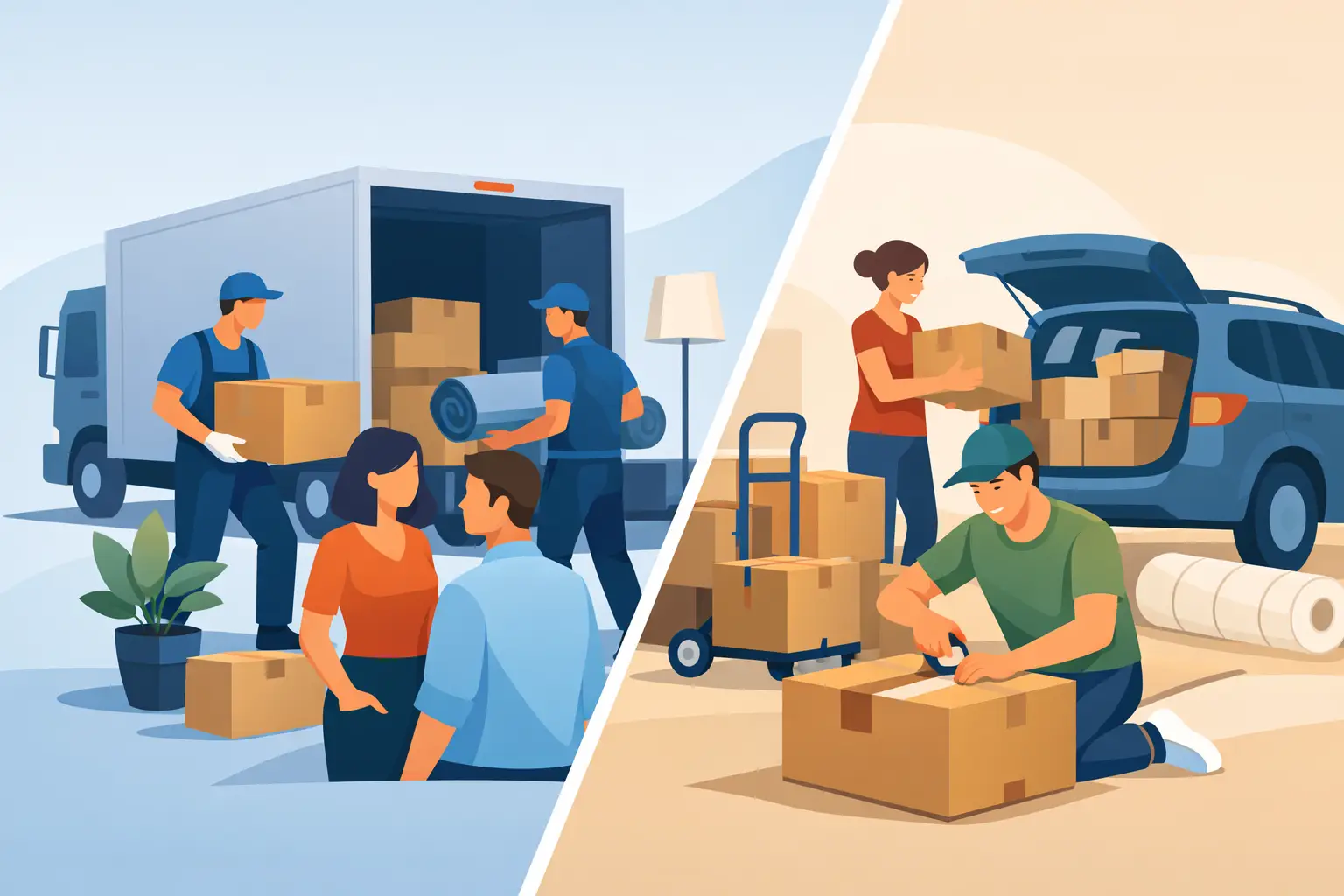
A move can look affordable on paper until moving day arrives: the truck is late, the couch will not clear the stairwell, and half the packing is still sitting in the kitchen. That is why the choice between full service vs DIY moving is not just about the lowest quote. It is about deciding where your time, energy, and risk are best spent.
For some moves, doing it yourself makes good sense. For others, a full-service crew is the more practical option once you account for missed work, physical strain, damaged furniture, and the hours it takes to load, drive, unload, and put the home back together. The right answer depends on the size of the job, the help you have, and how much responsibility you want to carry.
What Full-Service Moving Actually Covers
Full-service moving means a professional crew handles the major physical work of the relocation. The exact scope should be clear before booking, but a typical plan includes loading, transportation, unloading, and basic protection for your home and furniture. Depending on what you need, it can also include packing, unpacking, furniture disassembly and reassembly, storage coordination, or delivery to more than one location.
The biggest benefit is not that you avoid lifting boxes. It is that you have a coordinated crew with the equipment, experience, and pace to keep the move moving. Heavy dressers, sectional sofas, appliances, tight hallways, stairs, and long carries are routine problems for trained movers. They know how to plan around them before something gets scratched, dropped, or forced.
A good full-service quote should tell you what is included, what may affect the final price, and what is expected from you before the crew arrives. Clear communication matters here. Nobody wants to learn on moving day that floor protection, blankets, stairs, or a long walk from the truck were treated as surprises.
When DIY Moving Is the Smart Call
DIY moving can be a strong choice when the move is small, simple, and well within your physical ability. A studio apartment with a few boxes, a short drive, and two or three reliable friends is very different from moving a four-bedroom home across town.
It also works well when you want control over the pace. You may prefer to move a few loads over several days, use your own vehicle for smaller items, or handle your belongings personally. If you are renting a truck or using a portable storage container, labor-only moving help can give you a middle option: you manage the transportation, while professionals handle the loading or unloading.
DIY is usually most practical when you have time to spare. That matters more than many people expect. Packing takes longer than planned. Truck pickup and return times create a deadline. One broken-down elevator, a rainstorm, or a friend who cancels can turn a one-day plan into a rushed and expensive problem.
Full Service vs DIY Moving: Compare the Real Costs
The advertised cost of a rental truck is only one piece of a DIY budget. Add fuel, mileage charges, insurance or damage coverage, moving pads, dollies, boxes, tape, parking, and food or thank-you money for friends. If your move takes longer than expected, an extra rental day can change the total quickly.
Then there is the value of your time. Taking a day off work, packing late into the night, making extra trips, and cleaning up after the move all carry a cost, even if they do not appear on a receipt. For families with young kids, people managing a work deadline, or anyone moving on a tight lease schedule, those hours can be more valuable than the difference between a truck rental and a moving crew.
Full-service moving costs more upfront because you are paying for trained labor, equipment, a truck, and professional coordination. But it may reduce the chance of costs that are harder to predict, such as a damaged table, a strained back, a rental truck penalty, or a second day of moving because the first did not go as planned.
The best comparison is not “truck rental versus mover.” It is “total DIY cost and effort versus a clear professional quote.” Ask for straightforward pricing, describe access honestly, and make sure both options include the same job. Comparing a one-bedroom DIY move to a full packing and moving service is not a fair comparison.
Time and Physical Effort Matter More Than Most People Think
Moving is a full-day physical job, even when everything is packed. Loading a truck takes planning. Weight has to be distributed correctly, furniture needs protection, and fragile items need to be secured so they do not shift in transit. Unloading at the new place brings a second round of lifting, stairs, long carries, and decisions about where everything goes.
DIY moves often slow down at the hardest items: safes, pianos, large appliances, adjustable beds, oversized sectionals, and solid-wood furniture. These are not good items to learn on. A few dollars saved can disappear quickly when an item is damaged or someone gets hurt.
A professional crew also brings momentum. Instead of stopping every few minutes to decide who carries what or how to fit the next piece into the truck, the team works from a plan. That efficiency can make a major difference when you need to be out of one home and into another on the same day.
Risk Is Part of the Decision
Every move has some risk, but the level changes based on the job. Narrow staircases, icy walkways, apartment elevators, long driveways, and valuable furniture all raise the stakes. So do tight closing dates and lease turn-in deadlines.
With DIY moving, you are responsible for the truck, the loading plan, the people helping, and the condition of your belongings. Friends may mean well, but they may not know how to protect a doorway, carry a heavy piece safely, or secure a load. If someone gets injured, the day changes fast.
With full-service moving, you are hiring people whose job is to handle those conditions. That does not mean every move is risk-free. It means the work is being done by a crew that uses the right equipment, understands safe lifting, and knows where problems tend to happen. Ask any mover how they protect floors, doors, railings, and furniture before you book. Basic care should be part of the plan, not an upgrade.
A Hybrid Move May Be Your Best Option
You do not have to choose between doing everything yourself and handing off every task. Many customers get the best value from a customized plan.
You might pack boxes yourself, then hire movers for the heavy furniture and truck loading. You could rent a U-Haul, PODS container, or U-Box and bring in experienced labor for a few hours. If you are moving locally, you may handle small, personal items yourself and leave the larger pieces to a crew. This approach keeps you involved where it makes sense while removing the hardest, slowest, and riskiest parts of the job.
Hybrid plans are especially useful for downsizing, moving into an apartment with stairs, furnishing a new home, or coordinating a move around work and family obligations. The key is to be specific about what you need. A clear list of items, access details, and timing helps a moving company build the right plan without selling you services you do not need.
Questions to Ask Before You Decide
Start with a practical look at the move. How many rooms are you moving? Are there stairs, elevators, long carries, or difficult parking? Do you have large or fragile items? Can you count on enough capable help for the full day? What happens if the move runs late?
Also consider your deadline. If you have flexibility and a small load, DIY may be worth it. If you need to be out by a certain time, are moving a full household, or cannot afford damage and delays, professional help is often the steadier choice.
For Spokane, Coeur d'Alene, Post Falls, and nearby moves, local knowledge can help too. Crews familiar with the area understand the practical issues that affect a move, from apartment access and traffic timing to winter conditions and long rural driveways.
The right moving plan is the one that gives you enough help without paying for work you do not need. Whether you choose full service, DIY, or a mix of both, be honest about the job, get the details in writing, and leave room for the real work moving day requires. If you want solid help for the hard part, Move Forward LLC can build a plan around your move, not force your move into a preset package.