
Best Way to Move Antiques Without Damage
Learn the best way to move antiques with practical packing, lifting, climate, and valuation tips to protect heirlooms from pickup to placement safely.
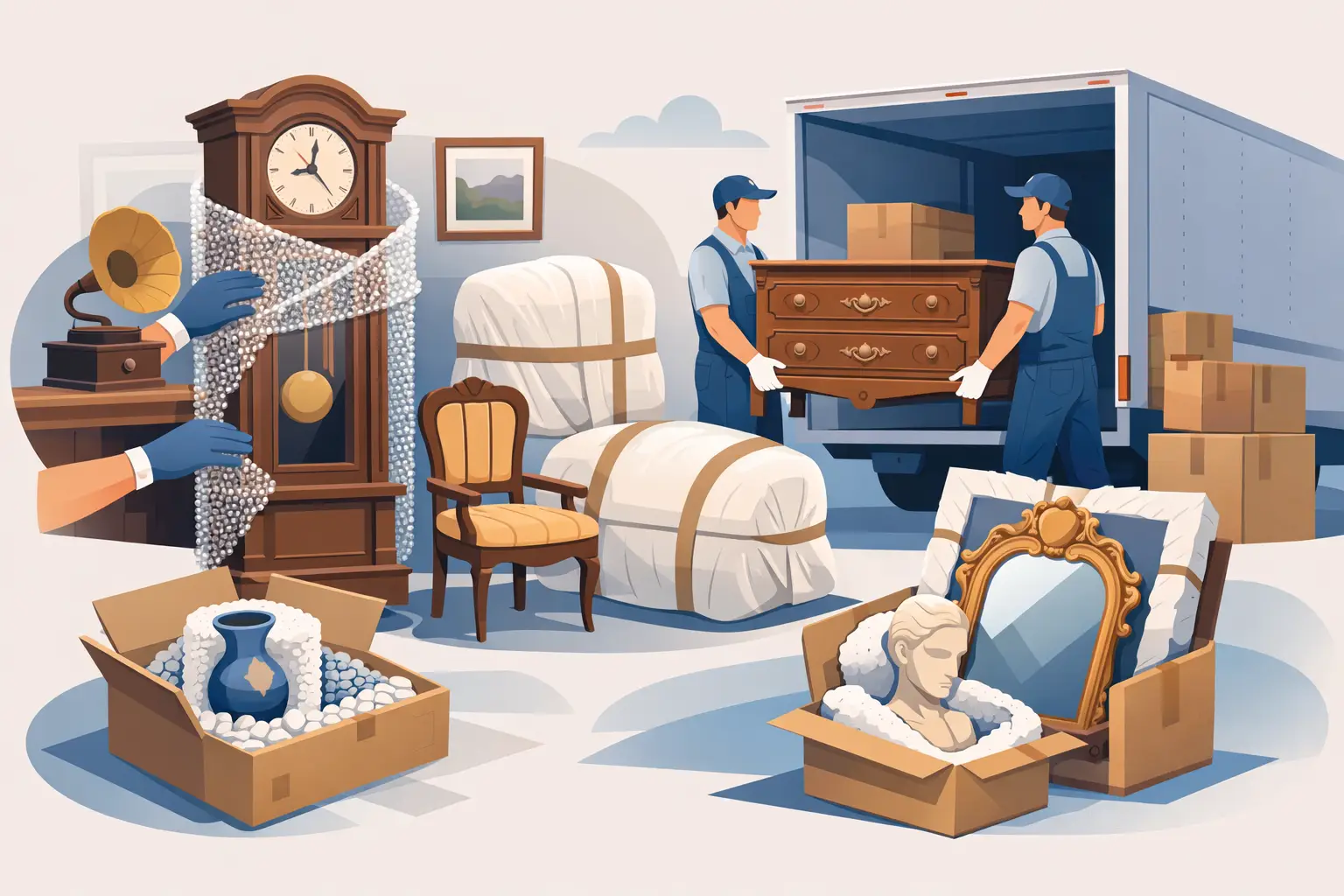
A walnut dresser with original hardware, a glass-front china cabinet, or a grandfather clock is not just another piece of furniture. One rushed lift, a loose drawer, or a blanket rubbing against a fragile finish can turn a move into a costly mistake. The best way to move antiques is to treat every piece as its own job: inspect it, stabilize it, pack it for its specific materials, and use a crew that knows when not to force a move.
Antiques can be heavy, awkward, and more fragile than they look. Age weakens joints, dries out wood, and makes original finishes less forgiving. Careful planning protects the item, your home, and the people moving it.
Start With Condition, Value, and a Move Plan
Before anyone wraps or lifts an antique, document its condition. Take clear photos from every side, including close-ups of existing scratches, loose veneer, cracks, chips, maker's marks, and damaged hardware. This gives you a record before the move and helps movers understand where extra care is needed.
If an item has significant financial, historical, or sentimental value, consider having it appraised before moving day. An appraisal helps with insurance decisions and can clarify whether a specialty antique transporter is the right fit. Not every old piece needs a museum-level service, but a rare painted cabinet, fine art, delicate clock, or item with severe structural issues may need more than a standard household move.
Measure the antique and the route it must travel. Check doorways, stairwells, hall turns, elevators, porch steps, and the delivery path at the new home. Many damaged antiques are not dropped. They are scraped through a tight doorway or twisted around a landing because nobody measured first.
Know When Disassembly Is Safe
Disassembly can make a move safer, but only when the piece was designed to come apart. Remove loose components such as shelves, drawers, detachable mirrors, glass panels, and finials when possible. Wrap and label each component so it returns to the correct piece.
Do not assume antique furniture should be taken apart the same way modern furniture is. Old screws may strip, glued joints may fail, and a repair made decades ago may not hold under pressure. If the structure is solid but oversized, experienced movers can often protect it and move it as one piece. If disassembly is necessary, use a furniture restoration professional for complex pieces rather than forcing aged hardware or joints.
Grandfather clocks deserve special attention. The pendulum, weights, and chains should be secured or removed according to the clockmaker's guidance. The clock case needs to stay upright. Tipping it on its side can damage the movement, glass, or internal components.
Use the Right Packing Materials for Each Surface
The best way to move antiques is not simply adding more blankets. It is using the right layers in the right order. Moving blankets prevent impact damage, but rough fabric or tape placed directly on an old finish can cause marks, pull loose material, or leave residue.
For most wood furniture, start with a clean, breathable protective layer such as furniture pads or clean moving blankets. Secure the padding around the piece with stretch wrap placed over the blankets, not directly against the wood. Keep tape off antique finishes. Corners, carved legs, and exposed edges need extra padding because they take the first hit during a turn or loading step.
Glass, marble, mirrors, and framed artwork need rigid protection. Glass doors and shelves should be removed when practical, wrapped in packing paper and bubble cushioning, then placed in a properly sized box or crate. Mark the box clearly, but do not rely on a label alone. Keep fragile items upright and make sure they cannot shift inside the truck.
Upholstered antiques need clean protection from dirt and moisture without being sealed tightly for extended periods. Avoid storing them in damp garages, uncovered trailers, or humid spaces. Moisture and temperature swings can lead to mildew, warped wood, cracked finishes, and fabric damage.
Protect Weak Points Before the First Lift
Antique furniture often fails at the parts people use as handles. Never lift a dresser by its drawers, a table by its leaves, a chair by its arms, or a cabinet by a decorative crown. Those areas may look sturdy but can separate from the main frame under the wrong pressure.
Empty drawers before moving a dresser or secretary desk. Even if the drawers stay in place for transport, reducing the weight protects the runners and keeps the center of gravity manageable. Secure doors and drawers so they cannot swing open. Use padding between doors and frames when needed to prevent rubbing.
For tables, remove leaves and detachable legs if the design allows it. Support carved legs, pedestals, and delicate feet with extra padding. Marble tops should usually be removed, transported vertically in a reinforced crate or box, and handled by people prepared for the weight. Marble is heavy, brittle, and expensive to replace.
Plan the Loading Order and Truck Conditions
An antique can be packed perfectly and still get damaged if it is loaded poorly. It should ride upright when its design requires it, with padding between it and every neighboring item. Nothing should press on fragile edges, glass fronts, or decorative details.
Heavy antiques should be secured to the truck wall with proper moving straps, not wedged in place with random boxes. The goal is to prevent shifting without putting pressure on delicate surfaces. A quality move also requires a clean, dry truck. Wet blankets, dirty floors, and unsecured equipment are avoidable risks.
Truck temperature matters more on long-distance moves or during extreme weather. Wood expands and contracts, finishes can react to heat, and older glue can weaken. A short local move around Spokane or Coeur d'Alene may not require climate-controlled transport for every item, but it still requires protection from rain, snow, heat, and sudden temperature changes during loading.
Choose Movers Based on Handling, Not Just Price
The lowest quote is not always the lowest cost if a valuable antique is damaged. Ask prospective movers how they handle antiques, what standard protection they provide, whether they use floor and home protection, and how they address specialty items. Clear answers matter.
A capable crew will ask questions before moving day: What is the item? Is it solid wood, veneer, marble, glass, or upholstered? Are there stairs? Is there a narrow hallway? Does it have known loose joints or prior repairs? Those questions are a sign of preparation, not inconvenience.
You should also understand the mover's valuation coverage and your own insurance options. Basic mover liability may not reflect the true replacement or restoration value of a one-of-a-kind item. For high-value antiques, speak with your insurance provider or appraiser before the move so you know what is covered and what documentation is required.
Common Antique Moving Mistakes to Avoid
A few shortcuts cause most antique-moving problems. Avoid using plastic wrap directly on finished wood for long periods, especially in heat. Do not stack boxes on antique chairs, tables, or trunks just because the surface looks flat. Never drag furniture across hardwood, tile, or concrete.
Avoid storing antiques in uncontrolled spaces unless they are properly protected and the conditions are stable. A short-term storage plan may be useful between closing dates, but the space should be clean, dry, and appropriate for wood, fabric, paper, and delicate finishes.
Finally, do not wait until moving morning to mention a large or fragile antique. Crews need the right number of people, padding, equipment, and time. A heads-up protects your schedule as much as it protects the piece.
Questions Homeowners Ask About Moving Antiques
Should antiques be moved in drawers?
Usually, drawers should be emptied. Empty drawers reduce weight and prevent damage to runners and joints. In some cases, lightweight drawers may remain secured in the piece, but loose contents should always be removed and packed separately.
Can I use regular moving blankets on antique furniture?
Yes, if the blankets are clean and used correctly. Keep tape and stretch wrap off the furniture itself, pad corners well, and use an additional protective layer for sensitive finishes or decorative details.
Do antiques need climate-controlled storage?
It depends on the item and the length of storage. Fine wood, upholstered pieces, artwork, paper goods, and antiques with delicate finishes are safer in a clean, dry, temperature-stable environment, especially for longer storage periods.
Is it better to hire specialty antique movers?
For museum-quality, rare, highly appraised, or structurally fragile items, specialty service may be the right call. For many household antiques, an experienced moving crew with proper padding, planning, and equipment can provide safe transport without adding unnecessary cost.
A careful move starts before the truck arrives. Give every antique the time, information, and protection it deserves, then work with movers who communicate clearly and handle the details without cutting corners. Move Forward LLC can build that level of care into a local moving plan, from the first walkthrough to placement in the new home.