
Truck Loading Techniques Guide for Safer Moves
Use this truck loading techniques guide to protect furniture, use space wisely, and keep your Spokane-area move safer from start to finish with less stress.
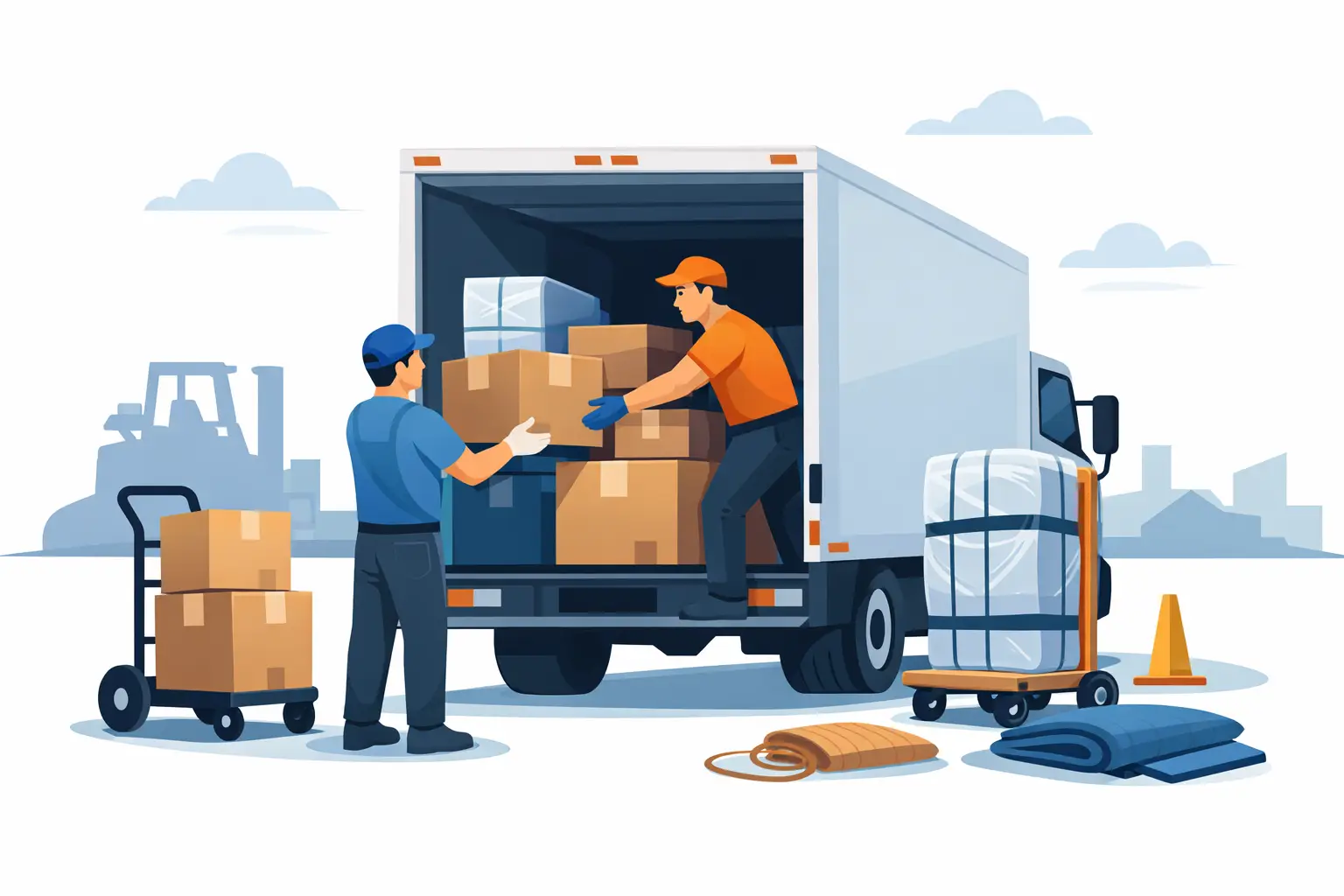
A moving truck can look full long before it is loaded correctly. The difference matters when a dresser shifts on a tight turn, a sofa rubs against a wall, or a box of dishes gets buried under something heavier. This truck loading techniques guide focuses on the practical order, protection, and weight distribution that keep a move under control.
For a local move, good loading saves time at both addresses. For a longer haul, it is the difference between belongings arriving secure and arriving damaged. The goal is not to pack every inch as fast as possible. The goal is to build a stable load that stays put.
Start With a Plan Before the Truck Arrives
Loading begins inside the home, not at the back of the truck. Walk through each room and identify the largest, heaviest pieces first: appliances, dressers, sectionals, bed frames, desks, and bookcases. These items form the foundation of the load.
Disassemble furniture that is designed to come apart. Remove table legs when practical, take mirrors off dressers, and bag hardware immediately. Tape or label the hardware bag to the matching item. A few minutes of preparation prevents missing screws and awkward, oversized pieces from taking up more truck space than necessary.
Use the right supplies before loading starts. Moving blankets protect finished surfaces, stretch wrap keeps drawers and pads in place, and quality tape secures boxes. Ratchet straps or load bars are needed to hold each completed section of the truck in place. A pile of loose blankets is not a substitute for securing the load.
If you are using a rental truck, PODS container, U-Box, or similar unit, check the interior dimensions and tie-down locations before you begin. The loading approach changes based on the size and shape of the space. A 10-foot truck can be loaded very differently than a 26-foot truck, but the core principles stay the same.
Truck Loading Techniques That Protect Your Belongings
The safest approach is to load in sections from the front wall of the truck toward the door. Build one tight, secure tier at a time, then strap it off before starting the next. Do not load heavy furniture near the front, then fill the middle with random boxes and hope it all settles together.
Put the heaviest items low and toward the cab
Place dense, heavy pieces against the front wall and keep their weight low. This usually includes appliances, large dressers, solid-wood furniture, and boxed books. Putting weight toward the cab helps balance the truck and reduces the chance of a top-heavy load moving backward when the vehicle brakes.
Weight should also be balanced from side to side. If a washer goes on the driver’s side, avoid placing all other heavy pieces on that same side. You do not need perfect symmetry, but you do want the truck to sit and handle evenly.
Appliances should be transported upright whenever possible. Protect corners and finished surfaces with moving pads, and avoid placing loose items inside unless the doors are secured. Refrigerators and freezers should be emptied, defrosted, and dried before the move.
Build furniture walls, then fill the gaps
Large flat pieces often create the best first layer. Mattresses, box springs, headboards, tabletops, and mirrors can stand upright along the truck walls when fully padded and secured. They create a protective barrier while making efficient use of vertical space.
Dressers, desks, and cabinets can follow, but each piece should be wrapped or padded where surfaces may touch. Do not rely on furniture being sturdy enough to withstand rubbing during transit. Even a short drive through Spokane, Coeur d’Alene, or Post Falls can involve turns, hills, stops, and uneven pavement.
Fill open spaces with sturdy, medium-weight boxes, bagged linens, or soft items. The purpose is to prevent movement, not to force items into gaps. If something must be shoved into place, it probably needs a different spot.
Keep fragile items upright and protected
Artwork, televisions, mirrors, and glass-top furniture need a dedicated plan. Use proper boxes or protective cartons where available, pad the items well, and stand them upright rather than flat. Clearly mark fragile boxes, but do not assume a label alone will protect them.
Keep fragile boxes above heavier boxes, with no empty space around them. A box labeled "fragile" is still at risk if it can slide, tip, or carry weight it was not built to hold. Lamps should be boxed whenever possible. If they cannot be boxed, remove shades, wrap them separately, and secure lamp bases in a protected area.
Use Boxes to Create a Stable Load
Boxes are the building blocks that make a truck load solid. Load the heaviest boxes first, placing them on the floor or low in the stack. Books, tools, kitchenware, and small appliances generally belong low. Lighter boxes containing linens, pillows, clothing, or lampshades belong higher up.
Try to keep boxes square and level rather than creating a stair-step stack. A stable wall of similarly sized boxes is stronger than a mix of odd shapes piled together. Small boxes can fill gaps, but they should not support a large box or heavy furniture piece.
Avoid loading loose bags wherever possible. Trash bags of clothing may seem convenient, but they compress, slide, and make it difficult to build a stable section. Use bags for soft goods only, and tuck them into gaps after the heavier load is secure.
A simple rule works well: if a box cannot safely be stacked on in your home, do not stack on it in the truck. Thin grocery-store boxes, damaged cartons, and overpacked boxes fail when they are asked to carry more weight.
Strap Every Completed Section
A truck should be secured in stages, not only at the final door. Once the first section is loaded, use ratchet straps or load bars across the truck’s tie rails. Then repeat after each major section.
Straps should be snug enough to stop movement without crushing furniture or boxes. Put moving pads between straps and finished wood, leather, or delicate upholstery. Check the straps again before driving because a load can settle slightly as the truck is closed up.
This is where many do-it-yourself moves go wrong. The truck is packed tightly, but nothing is truly restrained. Tight packing helps, but it does not replace straps. Braking, acceleration, and turns put force on the load from different directions.
Items That Need Their Own Space
Some belongings should not be loaded with the main household load at all. Keep essentials, documents, medications, valuables, and daily-use items in your personal vehicle. You will want those items available even if unloading takes longer than expected.
Use a separate area for the following items:
- Cleaning supplies, paint, fuel, propane, and other hazardous materials that should not ride in a moving truck.
- Perishable food, which can spoil or attract pests during a long moving day.
- Plants and pets, which need temperature control and should travel with you.
- A first-day box with chargers, toilet paper, basic tools, snacks, and bedding.
Check your rental company’s rules for prohibited items. Flammables, pressurized containers, and certain chemicals can create real safety risks, especially in enclosed trucks and storage containers.
Make Unloading Easier While You Load
Loading order affects unloading order. Items needed first at the new home should be loaded last, near the rear door. That often includes mattresses, basic kitchen boxes, a first-day essentials box, and tools for reassembly.
Label boxes by room on more than one side, not just the top. When boxes are stacked, top labels disappear. A clear room label helps everyone place boxes correctly without opening them or asking where they belong.
Keep walkways clear inside the truck as you work. Do not climb across unstable stacks or drag furniture over unprotected items. Use a ramp, hand truck, lifting straps, and a second person for heavy pieces. No piece of furniture is worth a back injury or a damaged doorway.
When Professional Loading Help Makes Sense
A carefully loaded truck is one of the best ways to protect a moving budget. Damage, extra rental days, and repeat trips add up quickly. Still, there are situations where experienced labor is the practical choice: heavy appliances, large sectionals, narrow stairs, expensive furniture, office equipment, or a packed container with limited space.
Move Forward LLC can provide labor-only help for customers who have rented their own truck or moving container. Professional loaders bring a system to the job: protect the home, build the load correctly, secure each section, and keep the day moving without guesswork.
Before you close the truck door, take one last look for loose items, unprotected corners, and open gaps. A load that feels finished should also feel solid. That final check takes minutes, and it can save the belongings you worked hard to pack.