
How to Schedule Furniture Delivery Without Delays
Learn how to schedule furniture delivery with the right timing, access details, and preparation for a careful, on-time drop-off at your home. No surprises.
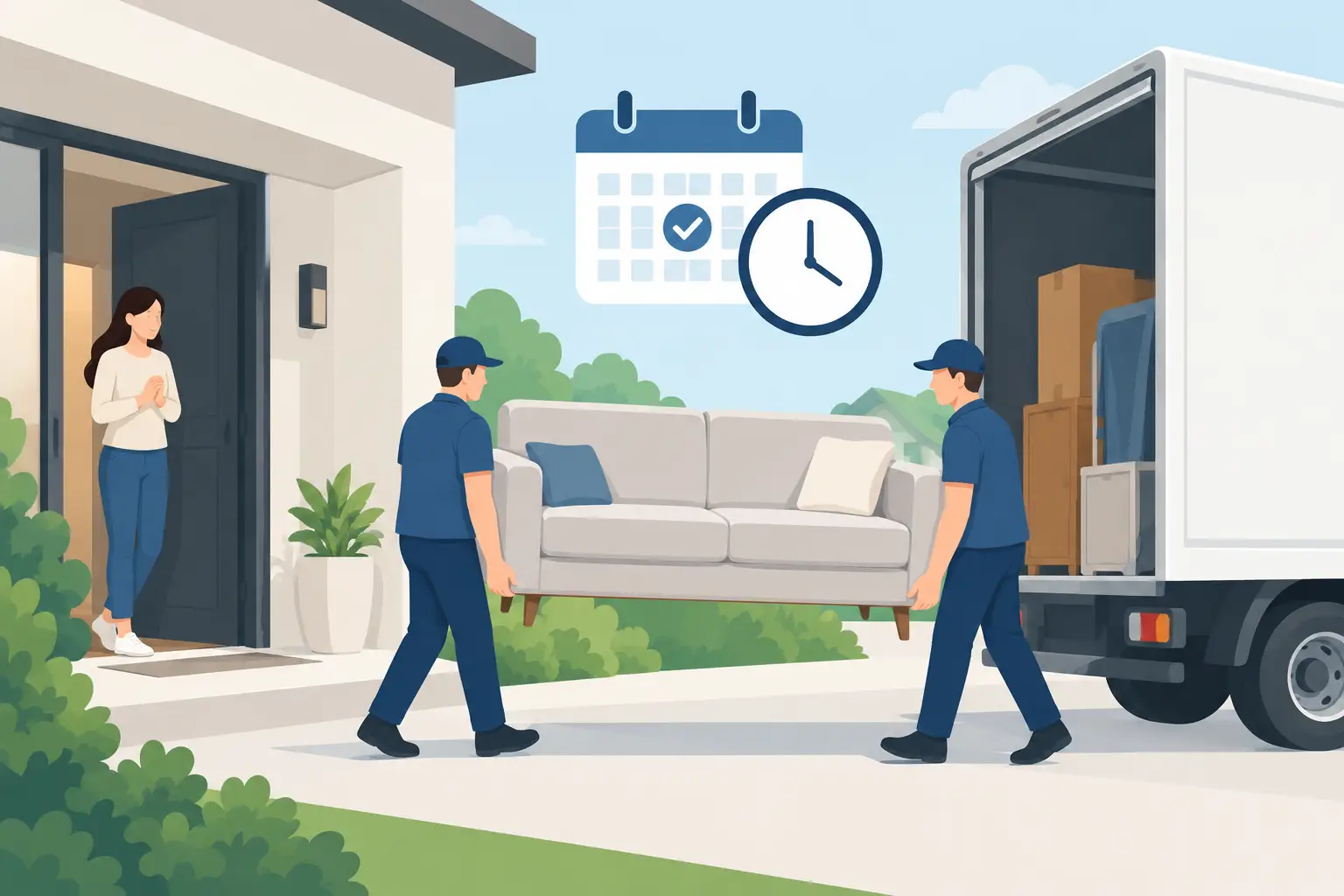
A new sofa sitting in a warehouse does not help much when your old one is already out by the curb. Knowing how to schedule furniture delivery means more than picking the first open date. You need the right delivery window, a clear plan for access, and a team that knows what is arriving before the truck pulls up.
Whether you bought one heavy piece, furnished a whole room, or need items moved from a store, storage unit, or another home, a little planning prevents the problems people remember: missed windows, damaged walls, blocked hallways, and furniture that will not fit through the door.
Start With the Delivery Date You Actually Need
Work backward from the day you need the furniture in place. If you are moving into a new home, do not automatically schedule furniture delivery for the same few hours as your full household move. A delivery crew needs clear paths and room to work. When boxes, moving trucks, cleaners, contractors, and family members are all competing for the same driveway, the job slows down.
For most households, scheduling delivery after the main move is complete makes sense. If the furniture is essential for move-in day, such as beds, a dining table, or office desks, reserve a dedicated time window and make sure the room is cleared first.
Retailers and warehouses may offer a broad arrival range, while a local delivery provider may be able to offer a more defined appointment. Ask what the window means. Is it the time the crew will arrive, or the time they will call before arriving? Can you receive a text when the truck is on the way? Clear communication matters more than a vague promise that delivery will happen sometime that day.
Confirm What Is Being Delivered
Before you book, gather the details your delivery team will need: the number of pieces, approximate dimensions, item weight if available, pickup address, delivery address, and where each item belongs. Photos are useful, especially for oversized furniture, glass pieces, sectionals, antiques, and items that are already assembled.
Do not assume a king bed frame, reclining sofa, solid-wood buffet, or large desk is a standard delivery. Heavy or awkward furniture may need two or more movers, proper equipment, and added time. The same goes for furniture that must be disassembled, carried upstairs, or assembled in the room.
Be direct about the condition of the item. If a dresser has a loose leg or a table has a glass top, say so before the appointment. Good planning protects your furniture and helps the crew bring the right tools instead of trying to solve a preventable issue at the door.
Ask What the Service Includes
Furniture delivery can mean different things depending on who is handling it. Some services only bring an item to the curb. Others carry it inside but stop at the first floor. A full-service furniture delivery may include pickup, loading, transport, placement in the room, basic assembly, and removal of moving materials.
Get the scope in writing before the day arrives. Confirm whether the price includes stairs, long carries from the parking area, disassembly or reassembly, and protective measures for floors, door frames, and railings. The lowest quote is not always the best value if it leaves the difficult part of the job on you.
At Move Forward LLC, the goal is straightforward: clear expectations before the crew arrives, careful handling during the job, and no last-minute confusion about the plan.
Measure the Route, Not Just the Room
A furniture piece can fit perfectly in your living room and still fail to make it through the front door. Measure the entire path from the truck parking spot to its final location. That includes exterior gates, porch openings, doorways, hallways, elevators, stair landings, turns, and interior doors.
Measure the furniture too, including its widest and tallest points. For sofas and large chairs, compare diagonal depth against doorway height. A professional crew may be able to safely angle or stand a piece on end, but measurements tell you whether that is realistic before delivery day.
Pay special attention to apartment buildings and condos. Reserve the elevator if required, verify loading dock rules, and check whether the building limits delivery hours. Some properties require proof of insurance or advance notice to management. Those rules are not a minor detail. Missing them can leave a crew waiting outside while your scheduled time runs out.
If access is tight, remove doors where appropriate, move wall art, roll up rugs, and clear shoes, boxes, and small furniture from the path. You do not need to turn your home into an empty shell, but the route should be wide enough for the crew to work without rushing.
Choose a Time That Gives You Breathing Room
The best delivery appointment is one you can personally receive. If you cannot be there, designate an adult decision-maker who knows where each piece goes and can approve placement. They should have a working phone, access to the home, and the authority to address questions if something does not match the order.
Avoid booking during a time when you must leave for work, pick up children, meet a contractor, or catch a flight. Furniture delivery often involves variables outside anyone's control, including traffic, weather, a customer needing extra time at an earlier stop, or delays at the pickup location. A reasonable buffer keeps a small delay from becoming a major problem.
For Spokane, Coeur d'Alene, and other Inland Northwest communities, winter weather deserves extra consideration. Snow, ice, and steep driveways can affect both safety and timing. If your delivery date falls during a storm cycle, keep your phone close and make sure walkways are shoveled, salted, and safe to use.
Prepare the Home Before the Truck Arrives
A prepared home helps the delivery go faster and reduces the chance of damage. Move vehicles so the truck can park as close as practical. Clear a route from the entry to the room. Secure pets in a separate area, and keep children away from carrying paths while heavy pieces are moving.
Make sure the room is ready for the furniture. Decide where the sectional pieces go, which wall the bed will sit against, and whether the desk needs to face a certain direction for outlets. Crews can place items where you want them, but repeated rearranging adds time and increases the handling required.
If you are replacing existing furniture, have a plan for the old piece before delivery. Donation pickup, curbside disposal, storage, or moving it to another room should be arranged ahead of time. Delivery teams may not be able to remove unwanted furniture unless that service was included in the original booking.
Check the Furniture Before and After Placement
At pickup from a retailer or seller, confirm the item count, model, color, and visible condition whenever possible. If you are buying secondhand furniture, inspect drawers, legs, hardware, and upholstery before transport. A delivery crew can move what you purchased carefully, but they cannot correct pre-existing damage or a wrong item from the seller.
When the furniture arrives, look it over before the crew leaves. Check for visible scratches, cracks, torn fabric, missing hardware, or delivery-related damage. Test drawers and doors, and verify that every piece of a sectional or bed frame is present. If there is an issue, document it right away and follow the delivery company's process for reporting it.
This is also the time to make sure placement works. Once a heavy armoire or dining table is in the right room, shifting it later can become a separate job. Take a moment to check clearances, door swings, and outlet access while help is still on site.
When Should You Schedule Furniture Delivery?
Book as soon as you know the pickup and delivery locations, especially if you need a specific day, have oversized pieces, or are coordinating around a move. For a simple local delivery with flexible timing, a few days' notice may be enough. For a move-in date, apartment elevator reservation, multi-piece pickup, or weekend appointment, more lead time gives you better options.
Last-minute delivery is sometimes possible, but flexibility matters. Be ready to provide photos and details quickly, keep the route clear, and accept that same-day scheduling may offer fewer time-window choices.
A furniture delivery should feel like the final useful step in getting settled, not another problem to manage. Give the team accurate information, prepare the access route, and leave room in your day. That is how a heavy, inconvenient item gets where it belongs with solid work and no surprises.