
Do Movers Disassemble Furniture?
Do movers disassemble furniture? Often, yes - but it depends on the item, move type, and crew. Here’s what movers handle and what to ask first.
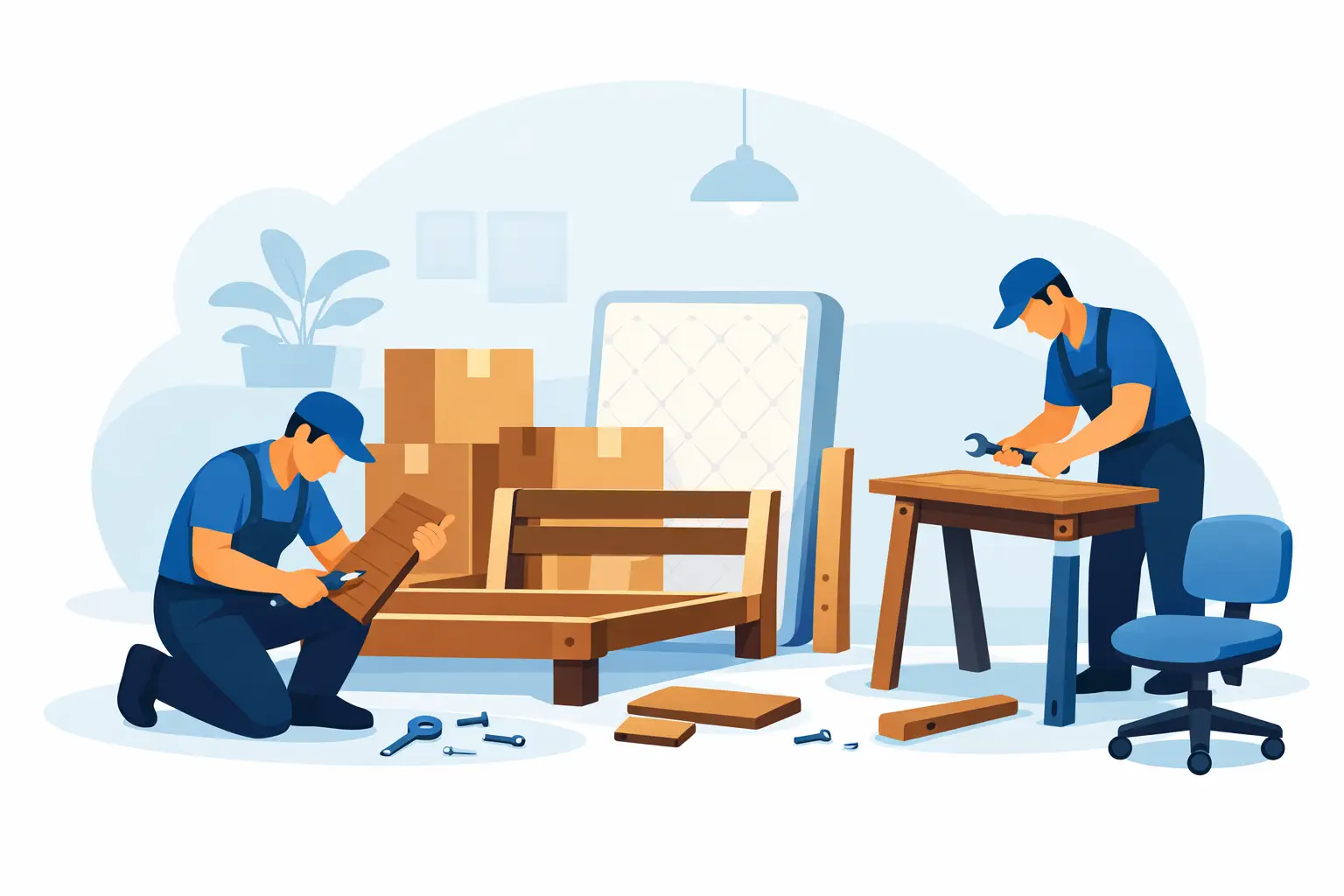
The bed frame won’t fit through the hallway, the dining table is too wide for the front door, and now you’re asking the question most people ask a few days before move day: do movers disassemble furniture? In many cases, yes. But not always, and not automatically.
Most professional movers handle basic furniture disassembly when it’s needed to move items safely and efficiently. That usually includes standard bed frames, simple dining tables, sectional couches with detachable pieces, and some desks. The catch is that the scope depends on the company, the item, the tools required, and how much time the crew has built into your move.
Do movers disassemble furniture as part of the move?
Usually, movers disassemble furniture when one of two things is true: the item cannot be moved safely as-is, or taking it apart reduces the risk of damage. A bed frame is the classic example. Moving it fully assembled through narrow doorways or stairwells is often slower and riskier than breaking it down first.
That said, disassembly is not a blanket service for every piece in your home or office. Some companies include basic breakdown and reassembly in their standard labor. Others treat it as an add-on, especially if the furniture is unusually complex, fragile, oversized, or time-consuming. If you assume everything will be taken apart without discussing it first, that’s where delays and frustration start.
A good moving company will ask the right questions before the job. They’ll want to know what large items you have, whether there are stairs, tight turns, elevators, or narrow doorways, and whether any furniture was originally difficult to assemble. Those details matter because they affect crew size, timing, and tools.
What furniture do movers usually take apart?
Most movers are prepared for common household pieces that need partial disassembly. Bed frames are at the top of the list, especially platform beds, metal frames, and headboard-footboard setups. Dining tables with removable legs are also common, along with sectional sofas that separate into multiple pieces.
Desks, bookcases, entertainment centers, and simple office furniture may also be taken apart if the layout of the home demands it. In small apartments, older houses, and multi-level homes, even furniture that looks movable on paper can become a problem once the crew starts navigating corners and staircases.
Recliners with removable backs and certain modular furniture pieces are often manageable too. The key word is manageable. Movers are there to protect your property and keep the move moving. If disassembly helps with that, it’s usually part of the plan.
What furniture might movers refuse to disassemble?
This is where the answer becomes, it depends.
Some furniture is too delicate, too complicated, or too risky for standard moving crews to take apart. Antique pieces are a common example. Older wood furniture can be structurally weaker than it looks, and disassembly can do more harm than good. The same goes for furniture with stripped screws, glued joints, custom modifications, or particleboard components that may not survive repeated assembly.
Movers may also decline to disassemble items with electrical features, built-in lighting, hydraulic parts, or complicated adjustable mechanisms. Think powered beds, wall-mounted units, gym equipment, or custom office systems. If the item needs specialized knowledge, manufacturer instructions, or uncommon tools, many movers will want that discussed ahead of time instead of figuring it out on the fly.
There are also liability reasons. If an item is expensive, fragile, or already unstable, a professional crew may recommend moving it intact if possible, or excluding disassembly unless the customer accepts the risk.
Do movers reassemble furniture too?
Often, yes. If movers disassemble furniture as part of loading, many will also reassemble it at delivery, especially for essential items like beds and tables. But just like disassembly, reassembly depends on the agreement, the condition of the item, and how much time is scheduled.
This matters more than people think. A move doesn’t feel done if your mattress is on the floor and your kitchen table is leaning against the wall in pieces. Reassembly is a practical part of getting settled, not just a nice extra.
Still, not every company handles it the same way. Some only reassemble items they personally disassembled. That’s fair, because walking into a box of loose hardware from an old project is different from reversing a process they completed themselves. Others will help with customer-disassembled items, but only if that’s arranged in advance.
What should you do before move day?
The easiest way to avoid confusion is to be specific when you request a quote. Don’t just say you have furniture. Say you have a king bed with storage drawers, a glass dining table, an L-shaped sectional, or a desk from a home office that barely fit through the door when it was delivered.
Photos help. Dimensions help even more. If you know an item needed a complicated assembly when you bought it, mention that. If you still have the original instructions, keep them nearby. The more information your movers have, the more accurate the game plan will be.
It also helps to remove personal items from drawers, shelves, and cabinets before the crew arrives. Even when movers do not fully disassemble a piece, they may need to lighten it or secure loose components before carrying it out. Taking care of that in advance saves time and reduces the chance of damage.
If you have extra screws, brackets, or Allen keys from the original setup, put them in a labeled bag and keep them with the item. Professional crews usually keep hardware organized, but anything you can do to make reassembly cleaner is worth it.
What to ask your movers before you book
If you want a straight answer to do movers disassemble furniture, ask straight questions. Ask whether basic disassembly is included in the rate. Ask which items they will handle, which items they won’t, and whether reassembly is part of the service.
You should also ask whether the crew brings standard tools, what happens if specialized tools are needed, and whether extra labor time will affect the final bill. For larger or more complex moves, ask if they want photos in advance. A company that communicates clearly before move day usually handles the job more smoothly once the truck arrives.
This is also the time to bring up items like bunk beds, murphy beds, commercial desks, conference tables, or fitness equipment. Those are not small details. They affect planning, manpower, and timing.
Why this matters for cost and timing
Furniture disassembly can save time during the carry, but it still takes labor. That means it can affect your final cost, especially on hourly local moves. A crew that spends 45 minutes carefully breaking down furniture is still doing productive work, but it’s work that needs to be accounted for.
On the other hand, skipping disassembly when it’s clearly needed can cost more in the long run. Getting a couch wedged in a stairwell, scraping up a wall, or damaging a bed frame because everyone tried to force it through a doorway is not a smart shortcut.
This is why clear planning matters. Good movers don’t guess. They look at the furniture, the home, the access points, and the timeline, then make the call that protects the job.
When labor-only movers can still help
If you’re using a rental truck, PODS container, or another self-managed moving setup, labor-only movers may still be able to handle furniture disassembly and reassembly. That’s a strong option for customers who want to control transportation costs but still need skilled hands for the heavy work.
In markets like Spokane and Coeur d'Alene, that setup is common for apartment moves, in-town relocations, and people working on tight schedules. The important part is the same: tell the company what furniture is involved and what level of help you need.
Move Forward LLC, for example, handles a range of moving setups, and that kind of flexibility is useful when the job doesn’t fit a one-size-fits-all model.
The bottom line on furniture disassembly
So, do movers disassemble furniture? Yes, many do, especially when it helps protect the item and keeps the move efficient. But the real answer depends on the furniture itself, the complexity of the job, and what you confirm before move day.
The best approach is simple: don’t assume, don’t wait until the truck is outside, and don’t leave large problem pieces out of the quote conversation. A quick heads-up about what needs to come apart can save you time, money, and a lot of stress when moving day gets real.