
Can Movers Move Appliances? What to Know First
Can movers move appliances? Learn what professionals handle, how to prepare major appliances, and when specialized service is needed for a safe move today.
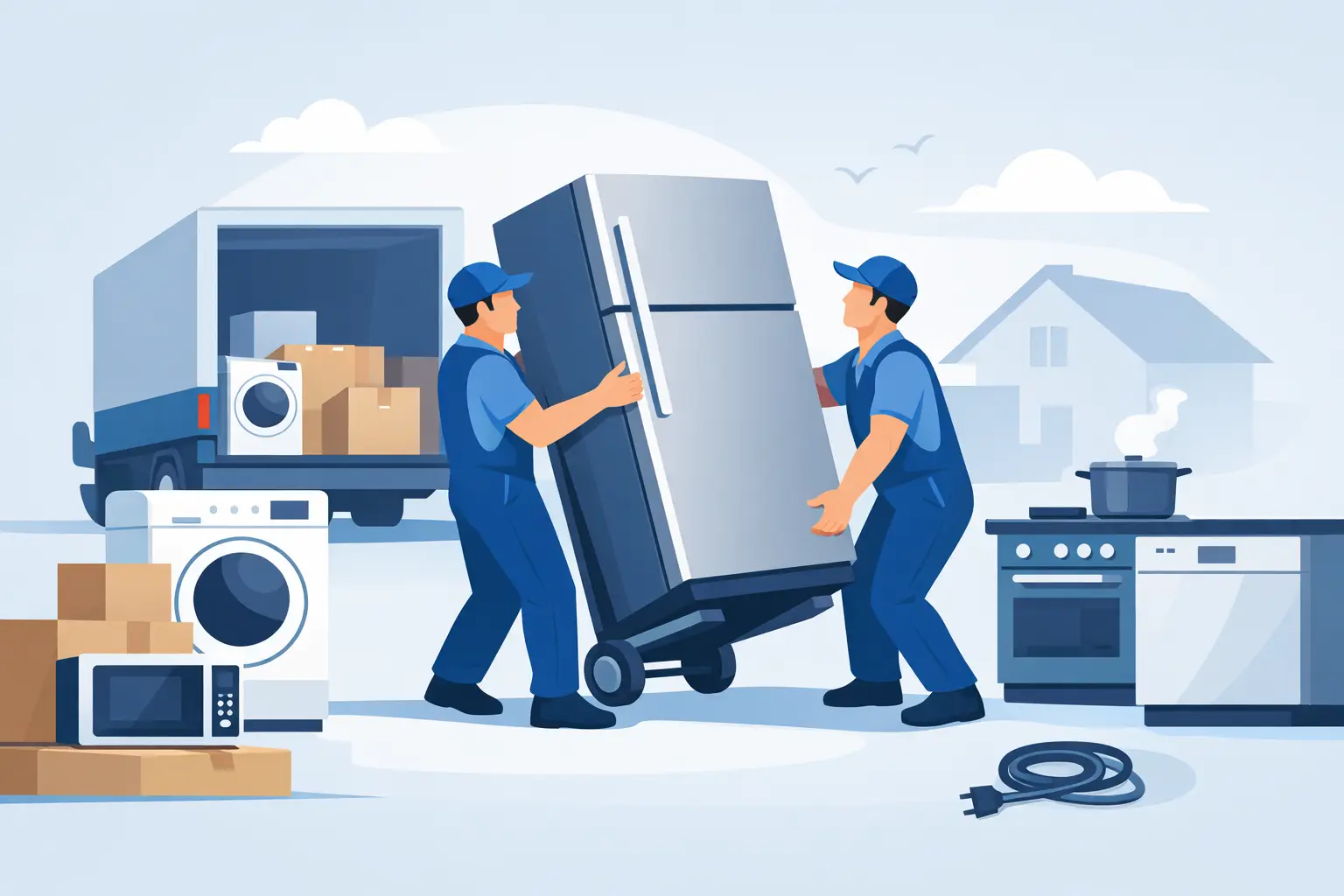
A refrigerator that will not clear the doorway, a washer full of residual water, and a gas range with a live connection can turn an ordinary move into a long day fast. So, can movers move appliances? Usually, yes. Professional movers can move many household appliances safely, but the answer depends on the appliance, its condition, building access, and whether it has been properly disconnected.
For most local moves, movers regularly handle refrigerators, washers, dryers, dishwashers, ranges, freezers, microwaves, and similar large items. The key is planning ahead. Moving crews are trained to protect floors, walls, and the appliance itself while managing the weight and awkward shape. They are not, however, electricians, plumbers, or gas technicians unless that service has been specifically arranged.
Can Movers Move Appliances Safely?
They can when the appliance is ready to be moved and the job falls within the mover's scope. A standard refrigerator, washer, dryer, or electric range is a common moving item. Crews use appliance dollies, moving straps, furniture pads, and home protection to control the load through hallways, stairs, and tight turns.
The biggest risk is not usually the lift itself. It is moving an appliance that is still connected, has not been drained, or has loose parts inside. A dishwasher may have water in the line. A washing machine can leak from its hoses. A refrigerator can drip, smell, or suffer damage if it is tipped the wrong way and immediately plugged back in.
Good movers will ask about large appliances when building your quote. Be clear about what is moving, whether there are stairs, and whether the item needs to come from a basement, garage, or upper floor. That allows the crew to bring the right equipment and plan enough time for the job.
What Movers Usually Can and Cannot Do
Movers generally transport appliances that have been fully disconnected and prepared. They can wrap them, load them, secure them in the truck, unload them, and place them in the new home. Placement may include bringing an appliance into a laundry room or kitchen if the path is accessible and the item fits.
What movers typically should not do is disconnect or reconnect utility lines. That includes gas lines, hardwired electrical connections, water supply lines, drain lines, and venting. These jobs can require a licensed professional, especially where gas, plumbing, or electrical code is involved. A moving crew should not be expected to take on that risk during a standard move.
Some appliances also need specialized handling or may be excluded from standard moving services. Examples include built-in units, commercial kitchen equipment, HVAC equipment, water heaters, ice machines with permanent plumbing, and appliances containing hazardous materials. If you are moving a restaurant, salon, medical office, or other commercial space, discuss every major piece of equipment before booking.
How to Prepare Appliances Before Moving Day
Preparation protects your home, your belongings, and your moving schedule. Start early, especially with refrigerators and freezers. Most appliances need more than a quick unplug before the crew arrives.
Refrigerators and Freezers
Empty the appliance completely. Remove magnets, shelves that can shift, ice trays, and loose drawers if they are not secured. Defrost it at least 24 hours ahead when possible, then wipe it dry and leave the doors open long enough to prevent moisture and odor.
Once it is dry, secure doors and removable components as directed by the manufacturer. Do not use tape directly on finished surfaces if it could leave residue or damage the coating. Let the movers know if the refrigerator is oversized, has French doors, or needs to go down a narrow staircase.
After transport, do not assume it should be plugged in immediately. If it was kept upright the entire time, it may be ready sooner. If it was tilted or laid down, the compressor oil may need time to settle. Check the manufacturer's instructions for the recommended wait time.
Washers and Dryers
Disconnect water hoses, drain the washer fully, and dry any remaining water from the drum and lines. For a front-loading washer, use the manufacturer-approved shipping bolts if you still have them. Those bolts help protect internal components while the machine is being moved.
Clean out lint from the dryer and disconnect the vent. Gas dryers must be disconnected by a qualified professional. An electric dryer is simpler, but the cord should still be unplugged, secured, and kept with the appliance.
Dishwashers, Ranges, and Built-In Appliances
A freestanding dishwasher can sometimes be moved once it is professionally disconnected, but built-in appliances create more variables. They may be attached to cabinets, countertops, plumbing, electrical wiring, or gas lines. Have a qualified technician remove and cap connections before moving day.
The same goes for gas ranges. Do not try to disconnect a gas line yourself unless you are qualified to do so. The short-term savings are not worth a leak, property damage, or a delayed move.
Access Matters as Much as Appliance Weight
A 300-pound refrigerator on a ground-floor move may be straightforward. The same refrigerator in a third-floor apartment with tight corners, rain-slick stairs, and no elevator is a different job. Movers need accurate details to prepare properly.
Measure the appliance, doorways, hallways, elevator openings, and stair landings if the fit looks close. Do not forget to account for handles, doors, and trim. In some cases, doors may need to be removed from the appliance or the home. That should be decided before the crew is standing in the hallway with a loaded dolly.
Tell your mover about long carries, gravel driveways, steep entries, parking limitations, and condominium rules. A reserved loading area or elevator window can make a real difference. Clear communication up front prevents surprises later.
When an Appliance Move Needs Extra Service
There are times when a standard moving crew is the right choice and times when you need an appliance installer, technician, or specialty carrier. If an item must be disconnected from gas, plumbing, or hardwired power, arrange that work separately before the move. If it needs reinstallation, schedule that service at the new home as well.
You may also need extra help for a very heavy or unusual item, such as a commercial refrigerator, oversized safe, built-in range, or appliance that must be lifted over a railing. These moves may require additional labor, specialized equipment, or a different plan altogether.
Move Forward LLC works with customers who need full-service moving, labor-only help for a rental truck or container, and careful handling for heavy household items. The best time to discuss appliances is when requesting a quote, not when the truck arrives. A clear inventory gives you a more accurate plan and a smoother moving day.
Questions to Ask Before You Book
Ask whether appliances are included in the quote, whether any items need special handling, and what condition they must be in before the crew arrives. Confirm how stairs, long carries, and difficult access affect the plan. If you are using a PODS container, U-Haul, or other rental equipment, ask whether the moving team can load and secure the appliance properly inside it.
It also helps to ask what protection will be used for your floors, doors, and the appliance. A professional crew should have a clear answer. Careful handling is not an add-on afterthought. It is part of moving done right.
A little preparation keeps appliance moving from becoming the problem that holds up the whole job. Get utilities disconnected, drain and clean the units, measure the path, and tell your mover what is ahead. Then your crew can arrive ready to do solid work and get you settled into the next place.