
Best Way to Move Mattresses Without Damage
Learn the best way to move mattresses without tears, stains, or back strain. Practical packing, lifting, transport, and storage tips for a safer move.
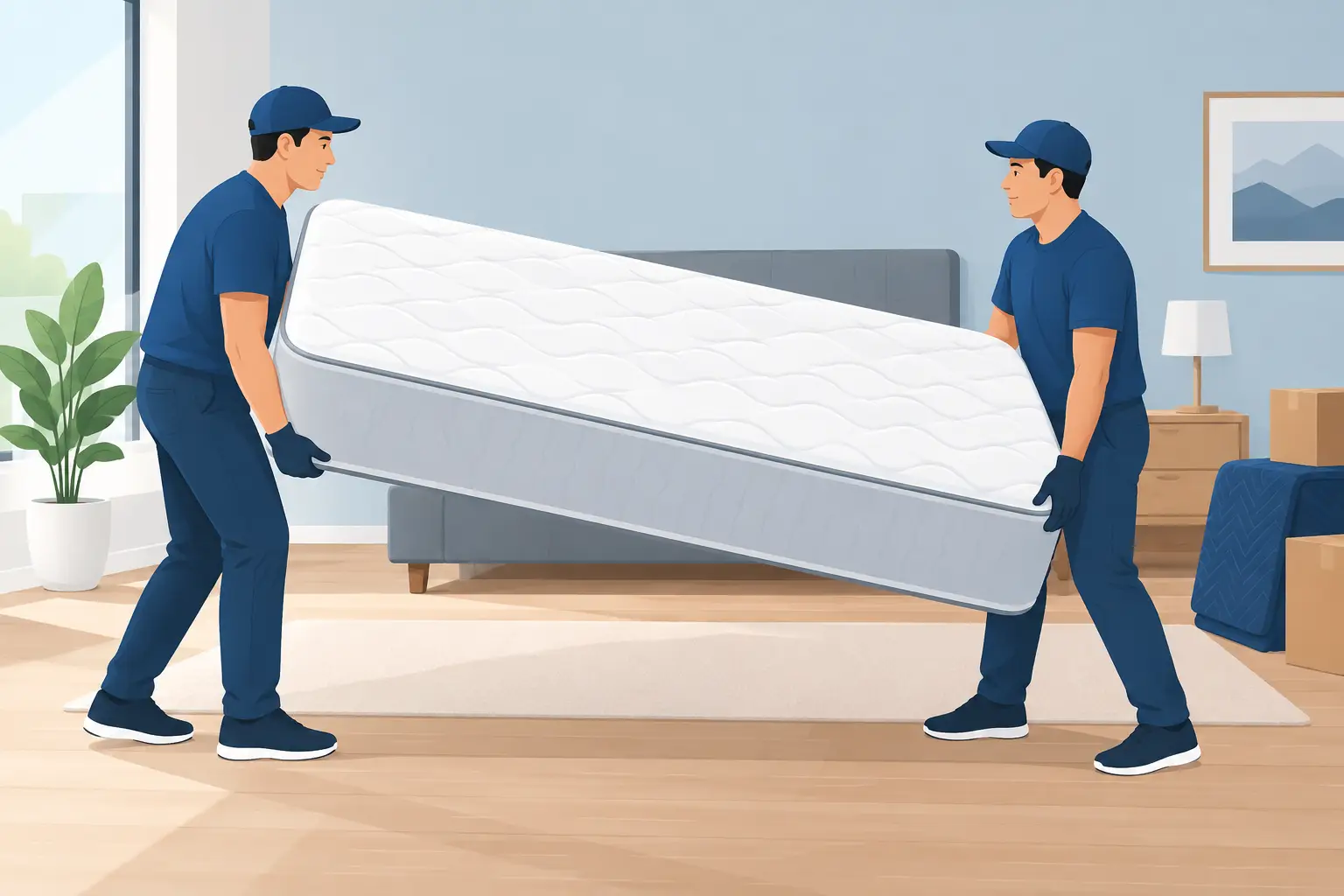
A mattress is awkward in a way boxes are not. It bends, catches wind, picks up dirt fast, and can be ruined by one wet truck floor or sharp furniture edge. The best way to move mattresses is to protect them before they leave the bedroom, carry them with enough help, and keep them supported properly during transport.
That approach sounds simple, but the details matter. A stained or torn mattress is frustrating. A bent adjustable base, damaged foam edge, or injured back can turn an ordinary move into an expensive problem. Here is how to handle the job safely and keep your bed clean and ready for the first night in your new place.
Start With the Right Mattress Protection
Do not move a mattress bare. Even a short trip across town exposes it to dust, moisture, truck residue, dirty pavement, and contact with other furniture. Use a mattress bag made for moving, not a thin household trash bag that can tear halfway down the stairs.
Choose the right size bag for the mattress. Twin, full, queen, king, and California king bags are not interchangeable if you want real coverage. Slide the bag over the mattress while it is still flat on the bed frame or floor, then tape the opening shut with packing tape. Keep tape on the plastic, never directly on the mattress fabric.
For a mattress that is already clean and in good condition, a standard moving bag is usually enough. If it will be placed in a storage unit, moved during rain or snow, or transported in an open trailer, add a second layer of plastic or a heavy moving blanket over the bag. The goal is protection, not compression. Wrapping it too tightly can trap moisture and make the mattress harder to handle.
Before covering it, take a quick look for existing stains, loose seams, or damage. Photos give you a record of its condition and help you spot any new issue after the move.
The Best Way to Move Mattresses Down Stairs
Mattresses are light compared with dressers and appliances, but their size makes them easy to lose control of. A queen or king mattress can block your view, clip a wall, or twist someone into an unsafe position. Two people are the right call for most mattresses, especially on stairs, tight apartment halls, or wet outdoor walkways.
Stand the mattress on its side so it can fit through doors and move more easily around corners. One person should take each end and keep a firm grip on the bag or the mattress handles if it has them. Move slowly, communicate before every turn, and keep the mattress close to your body instead of reaching with straight arms.
On stairs, the person walking backward needs a clear path and should never be rushed. If the stairwell is narrow, pause on each landing to reset your grip rather than forcing the mattress around a corner. Remove loose rugs, boxes, shoes, and other tripping hazards before you start.
A mattress carrying strap can help, but it does not replace a second set of hands. Straps are useful for long walks from an apartment building to the truck or when navigating a large house. They are less helpful when the path is tight enough that the mattress must be folded or angled sharply.
If a mattress will not clear a stairwell safely, do not force it. Some apartment moves require using an elevator, balcony access, or a different route. That is the point where experienced moving labor can save time and prevent damage to the mattress, walls, and people doing the lifting.
Can You Fold or Bend a Mattress?
It depends on the mattress type. Many all-foam mattresses can bend temporarily to make a tight turn, but they should not be sharply creased, tied in half, or left folded for hours. Memory foam and latex mattresses can suffer internal damage when folded too aggressively.
Traditional innerspring mattresses should stay as flat and straight as possible. Folding can damage coils, weaken edge support, and leave the bed feeling uneven later. Hybrid mattresses also need care because they combine foam layers with coils.
A useful rule is this: a slight, short-term bend to clear a doorway may be acceptable for some foam mattresses. A hard fold to make the mattress fit in a small vehicle is not. If the mattress needs to be folded to get into the vehicle, use a larger vehicle instead.
Load the Mattress Correctly in the Truck
A clean, dry moving truck is the safest place to transport a mattress. Sweep the cargo area first and check for moisture, exposed hardware, or anything that could puncture the plastic bag. Load the mattress after heavy appliances and large furniture are secured so it is not pinned underneath a shifting load.
Most mattresses should ride upright along the side wall of the truck. This uses space efficiently and reduces the risk of stacking heavy items on top. Keep the mattress flat against a clean wall, then use moving blankets as a buffer where it contacts wood, metal, or furniture.
Secure it with straps so it cannot slide, but do not ratchet straps down so hard that they compress the mattress or cut into the edges. Place a blanket between the strap and mattress bag if needed. A mattress that falls during transport can be damaged even if it is still inside its protective cover.
Avoid putting a mattress on the truck floor unless there is no other option. Floors collect moisture and dirt, particularly during winter moves in Spokane, Coeur d'Alene, and other Inland Northwest communities. If it must lie flat, put clean moving pads or a dry tarp underneath it and do not stack dressers, boxes, or appliances on top.
Do Not Strap a Mattress to a Car Roof
Moving a mattress on top of a car may look like a quick solution, but it is usually a bad one. Wind can lift it, straps can loosen, and the mattress can shift into the driver's field of view or come loose entirely. Beyond the damage risk, an unsecured load creates a real road hazard.
A mattress may fit inside a large SUV, pickup bed, cargo van, or rented moving truck, depending on its size. Still, fit is not the same as safe transport. If a mattress hangs out of the vehicle, blocks mirrors, requires the hatch to stay open, or cannot be fully secured, choose another option.
For a simple local move, renting a small box truck or booking labor to load your truck can be more practical than trying to make a mattress work in a personal vehicle. It also gives you room to move the bed frame, nightstands, and boxes in one organized trip.
Moving Bed Frames and Adjustable Bases
The mattress is only part of the job. Take the bed frame apart before moving day when possible, and keep all bolts, brackets, and small pieces in a labeled bag. Tape that bag to a clearly marked frame rail or place it in an essentials box that will not get lost in the truck.
Wrap headboards, footboards, and rails with moving blankets to prevent scratches. For platform beds, photograph the hardware and assembly steps before disassembly. That five-minute step can save a lot of frustration after a long moving day.
Adjustable bases need extra caution. Unplug them, remove batteries from remotes if applicable, secure moving parts according to the manufacturer's instructions, and protect motors and control boxes from impact. These bases are heavy and awkward. They should be handled by two or more people and kept upright or positioned as directed by the manufacturer.
What to Do When You Reach the New Home
Bring the mattress inside before removing its protective bag. Lay it on the assembled frame or on a clean floor, inspect the bag for moisture or tears, then carefully remove the cover. Let the mattress air out for a few minutes before making the bed, especially if it traveled in humid or rainy conditions.
Do not put a damp mattress straight onto a solid platform, into a storage bag, or against a wall. Let it dry completely first. Moisture can lead to odors and mildew, and it is much easier to prevent than fix.
If the mattress has been stored on its side for a day or two, that is generally fine. For longer storage, keep it flat in a clean, climate-controlled space whenever possible. Do not pile heavy items on it, and avoid garages, sheds, or damp basements where temperature swings and moisture can do real damage.
When It Makes Sense to Get Moving Help
A mattress move is a good candidate for professional help when there are stairs, tight access, a king-size bed, an adjustable base, or no one available to lift safely. It also makes sense when you are loading a U-Haul, PODS container, or moving truck and need the space packed correctly the first time.
Move Forward LLC provides full-service moving and labor-only help for customers who want the heavy lifting handled with care. Clear communication and a prepared crew matter most when a bulky mattress has to make it through a narrow hallway without damaging your home or your back.
A little preparation goes a long way here. Cover the mattress, use enough help, keep it dry, and give it a secure place in the truck. You will arrive with a bed that is clean, intact, and ready when you need it most.